Why Your 5 Whys Keep Missing Time: The Simple ‘Timeline Why’ Behind Problems That Never Seem To End
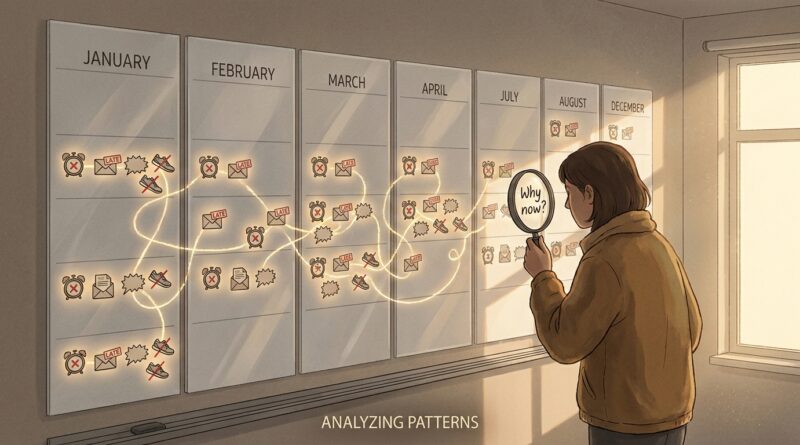
You know the feeling. You finally do the hard thinking, trace a problem back to a root cause, and feel that little spark of relief. Great, found it. Then two weeks later the same mess shows up again wearing a slightly different hat. That is frustrating because it makes you question your discipline, your team, or your process, when the real issue may be much simpler. You solved the snapshot, not the timeline. A lot of root cause analysis goes wrong right at this point. We ask, “What caused this?” but skip, “Why does this keep happening again at this time?” That second question is the Timeline Why. It looks for repeating patterns across days, weeks, months, and seasons. Once you start spotting those rhythms, recurring problems stop feeling mysterious and start looking fixable. Not easy, maybe. But finally fixable.
⚡ In a Hurry? Key Takeaways
- A recurring problem often has two causes: the obvious trigger and the time pattern that keeps bringing it back.
- Track when the issue happens, not just why. Look for end-of-month stress, sleep debt, seasonal dips, staffing gaps, and recovery cycles.
- This is not about blame. A Timeline Why helps you design better systems instead of calling yourself or others “bad at follow-through.”
Why the usual 5 Whys can miss the real problem
The 5 Whys is useful. It helps you keep asking questions until you get past the surface. But it often works like a flashlight pointed at one moment in time. Something broke. A deadline slipped. A habit failed. So you ask why, then why again, and keep going until you land on a root cause.
That can work fine for one-time problems. It is less helpful for repeat problems.
Why? Because recurring issues usually live in patterns. The same mistake may not return because nobody learned the lesson. It may return because the conditions that create it come back on a schedule.
That is where the search term people keep circling around, root cause analysis why does this keep happening again, points to something important. “Again” is not a side note. It is the clue.
What a Timeline Why actually is
A Timeline Why is one extra question added to your normal analysis.
The question
Why does this problem return when it returns?
Not just what causes it. Not just who was involved. When does it tend to show up, and what is happening around that time?
What you are looking for
You are looking for repeating time-based triggers, such as:
- End-of-month workload spikes
- Quarterly reporting pressure
- School holidays changing family routines
- Winter mood changes or summer schedule chaos
- Sleep debt building over several days
- Recovery periods after a big push
- Weekly handoff problems every Monday morning
In other words, the problem is not random. It is riding a cycle.
A simple example most people recognize
Say you keep missing workouts. You do a classic 5 Whys.
Why did I miss the workout? Because I was too tired.
Why was I too tired? Because I stayed up late.
Why did I stay up late? Because I was finishing work.
Why was work unfinished? Because I procrastinated.
Why did I procrastinate? Because I was avoiding a task I disliked.
That is not wrong. But if the same thing keeps happening, it is incomplete.
Now add the Timeline Why.
When does this happen? Almost always in the last week of the month.
What is different then? Reporting deadlines pile up. Sleep gets shorter. Meals get sloppier. Motivation drops after the push.
Now the problem looks different. The issue is not just procrastination or weak willpower. It is a predictable end-of-month energy and workload cycle.
That matters because the solution changes too. You do not need a better pep talk. You need lighter workout expectations in that week, earlier reporting prep, and maybe fewer evening commitments.
Why this matters so much at work and at home
Without a Timeline Why, people often blame character.
They say things like:
- I always fall off.
- Our team is bad at planning.
- He never follows through.
- We fixed this already, why are we back here?
Those statements feel true because the pattern keeps repeating. But they are often lazy explanations for timing problems.
If a support team melts down every Monday, that is probably not because everybody forgets how to work over the weekend. If a household fights more every Sunday night, that may not mean the family is dysfunctional. If your focus disappears every afternoon, you may not be broken. You may just be hitting the same biological and scheduling wall every day.
This is also where body signals can get mixed in. Sometimes a repeated timing pattern is tied to stress, overload, or shutdown, not just calendar pressure. If that sounds familiar, this piece on Why Your 5 Whys Keep Ignoring Your Body: The Simple ‘Signal Why’ Behind Problems Your Nervous System Already Solved is a helpful companion.
How to do a Timeline Why in real life
1. Start with the normal root cause
Do the regular analysis first. What happened? What triggered it? What broke? What decision led here?
You still need that part.
2. Then add three time questions
Ask:
- When does this usually happen?
- What tends to happen right before that time?
- What cycle might be feeding it?
Think in layers. Daily, weekly, monthly, seasonal.
3. Look for clusters, not isolated incidents
One bad Tuesday does not mean much. Six bad Tuesdays in two months means something.
Patterns beat anecdotes.
4. Check the load and recovery cycle
Many recurring problems are not caused by the stressful event itself. They show up one or two steps later, when people are depleted.
Examples:
- You snap at coworkers the day after a big presentation
- You overspend right after a strict budgeting week
- You skip planning after a crunch period because your brain is cooked
That is why recovery timing matters as much as stress timing.
5. Change the system for the risky window
Do not build one perfect fix for all times. Build a smart fix for the repeat window.
Examples:
- Schedule fewer meetings during known peak weeks
- Prep meals before your busiest reporting days
- Lower habit targets during high-stress cycles
- Add a buffer person during predictable support surges
- Move important conversations away from low-energy times
Common Timeline Why patterns people miss
The end-of-month trap
This one shows up everywhere. Billing, deadlines, reporting, sales pressure, and household admin all bunch up. Then people wonder why patience, accuracy, and healthy routines collapse at the same time.
The seasonal dip
Energy, mood, childcare, weather, and social obligations all change with the season. If a problem returns every winter or every summer, that is not coincidence. It is data.
The post-success crash
Oddly enough, some problems return right after things go well. Big launch finished. Family event done. Crisis over. Then structure drops, fatigue catches up, and the hidden cost shows up later.
The weekly rhythm
Many repeat issues are calendar-shaped. Monday confusion. Wednesday overload. Friday sloppiness. Sunday dread. Once you notice the shape, you can plan around it.
What this looks like in teams
Teams often say they have solved a recurring issue because they found a procedural mistake. But if the same mistake happens every quarter, every holiday season, or every product launch cycle, the procedure is only part of the story.
A better team question is this:
What is different about the environment when this error returns?
Maybe staffing is thinner. Maybe approvals bottleneck. Maybe everyone is tired from a previous push. Maybe reporting week steals attention from maintenance tasks.
That gives you a calmer, more useful conversation. Less blame. More design.
What this looks like in personal life
The same method works for habits, relationships, and mental load.
If you keep asking, “Why do I do this?” you may end up with harsh answers about your personality.
If you ask, “Why does this keep happening again at this time?” you often get a more humane answer.
Maybe the pattern shows up after three poor nights of sleep. Maybe it hits when your social battery is drained. Maybe it appears every time your schedule loses structure for more than four days.
That does not excuse the problem. It explains the pattern so you can actually change it.
A quick test you can use this week
Pick one recurring issue. Just one.
Then write down:
- What keeps happening?
- What root cause have I already identified?
- When does it tend to happen again?
- What is building in the background before that moment?
- What small change could I make during that time window?
If the problem keeps returning, your first answer was probably not wrong. It was just missing the timeline.
At a Glance: Comparison
| Feature/Aspect | Details | Verdict |
|---|---|---|
| Standard 5 Whys | Good at finding a direct cause in a single event, but often weak at spotting patterns that repeat over time. | Useful start, not the full picture for recurring issues. |
| Timeline Why | Adds timing, cycles, and context such as monthly pressure, seasonal changes, and recovery dips. | Best for problems that keep coming back. |
| Resulting fix | Instead of trying harder all the time, you adjust the system during the known risk window. | More realistic, more sustainable, and far less frustrating. |
Conclusion
If you keep running into the same wall, it does not always mean you missed the root cause. Sometimes it means you found the cause but ignored the schedule. That is why so many recurring problems survive perfectly decent analysis. People ask what caused this, but not why does this keep happening again at this time. A Timeline Why fills that gap. It helps you stop blaming willpower, personality, or vague “bad habits” and start noticing end-of-month pressure, seasonal mood dips, weekly overload, or simple recovery cycles. Once you see the pattern, you can build a solution that matches real life. And that is usually the difference between putting out the same fire every few weeks and finally making it stop coming back.